Trusted By
120,000+ People
 One of the first major discoveries relevant to the field of pulmonology was the discovery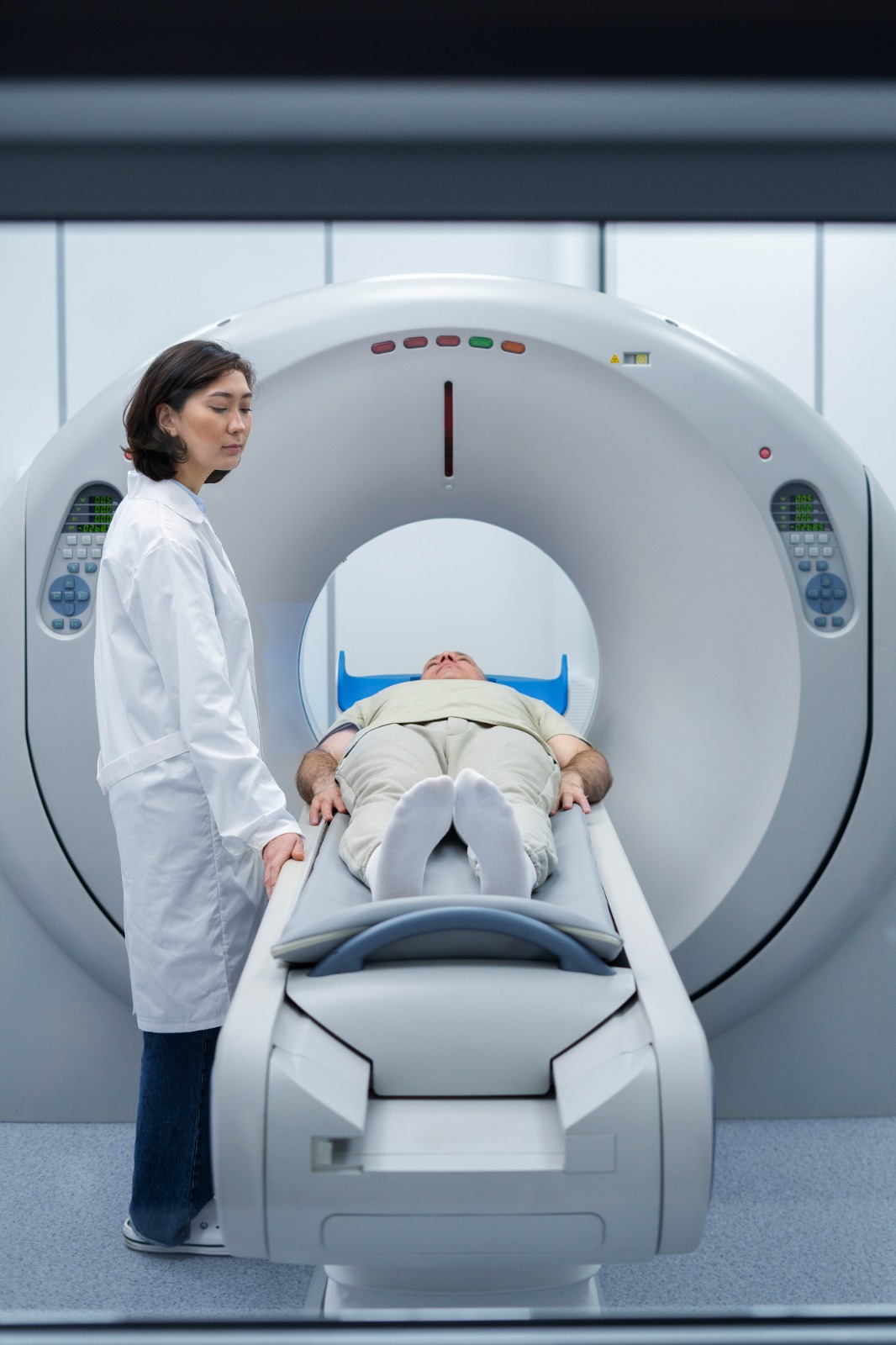
Our PET CT Services
Department of PET-CT SCAN, we specialize in advanced imaging techniques for accurate cancer detection, staging, and treatment monitoring. Our cutting-edge Positron Emission Tomography, Computed Tomography (PET-CT) technology helps in early diagnosis and precise disease management, ensuring better treatment outcomes.
What is PET-CT?
PET-CT is a revolutionary imaging technique that combines:
Positron Emission Tomography (PET): Detects metabolic changes at the cellular level.
Computed Tomography (CT): Provides detailed anatomical images of internal structures.
By merging these two imaging modalities, PET CT offers a highly accurate diagnosis, allowing doctors to detect diseases even before structural changes occur.
Why Choose PET-CT Scans?
PET-CT is used for:
Early Cancer Detection, Identifying tumours at the earliest stages.
Cancer Staging and Treatment Planning, Determining the spread and severity of cancer.
Treatment Response Monitoring, Assessing how well a treatment is working.
Recurrence Detection, Identifying cancer relapse post-treatment.
Neurological Disorders, Diagnosing Alzheimer's, Parkinson's, and epilepsy.
Cardiac Assessments, Evaluating blood flow and heart conditions.
Advanced PET-CT Imaging Services
Our department offers specialized PET-CT scans, including:
Oncological PET-CT - Detects and monitors various cancers.
Brain PET-CT - Used for diagnosing neurological conditions.
Cardiac PET-CT - Assesses heart function and blood flow.
Whole-Body PET-CT - Provides a full-body scan for comprehensive disease assessment.
Benefits of PET-CT Scanning
High Sensitivity & Accuracy - Detects diseases at a molecular level.
Non-Invasive Procedure - Ensures patient comfort with minimal discomfort.
Personalized Treatment Planning - Helps tailor therapies based on individual disease characteristics.
Faster Diagnosis - Quick scan times with rapid reporting.
Preparing for a PET-CT Scan
To ensure accurate results, patients should:
Follow fasting guidelines (as per medical advice).
Avoid strenuous activities 24 hours before the scan.
Inform doctors about medications and medical history.